
Exploring the cultural significance of casinos in modern society The Combat News perspective
The Evolution of Casinos in Society
Casinos have undergone a significant transformation from their origins as simple gambling houses to the sprawling entertainment complexes we see today. Historically, these establishments served as social hubs where people from various walks of life gathered to engage in games of chance. Over time, as public perceptions of gambling shifted, casinos began to evolve into multifaceted entertainment venues that offer dining, shopping, and live performances. This evolution highlights how casinos have adapted to cultural changes, becoming part of the broader fabric of modern society. For fans interested in the realm of combat sports, https://canadasportzbook.ca/combat/ offers a wealth of Combat News.
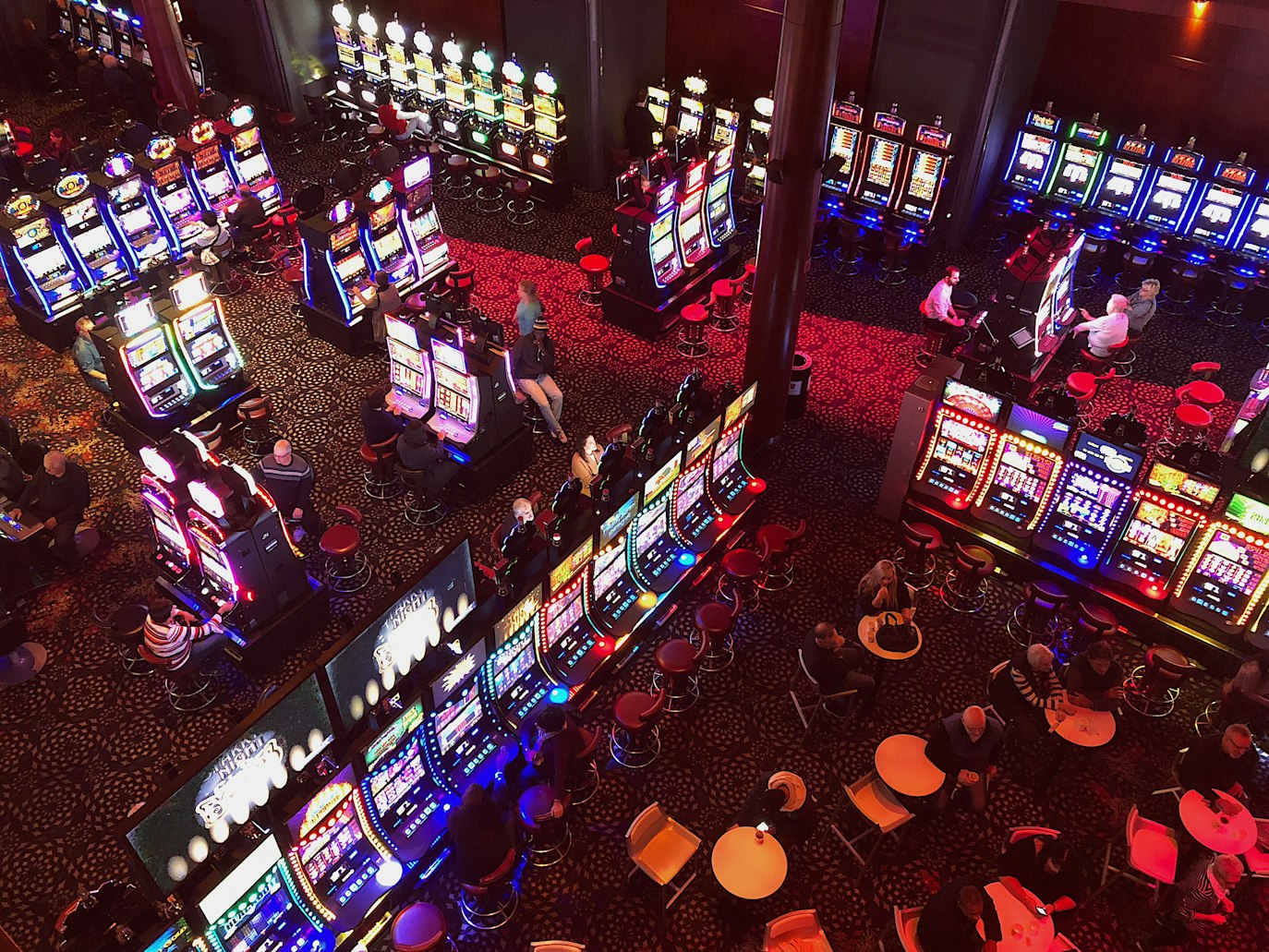
In contemporary settings, the casino experience extends beyond mere gaming; it encompasses a full spectrum of leisure activities. The incorporation of luxury amenities, such as high-end hotels and world-class restaurants, has redefined the typical casino visit, transforming it into a comprehensive entertainment experience. As a result, these establishments attract diverse crowds, including families, couples, and business travelers, effectively broadening their appeal and cultural significance.
This transformation not only reflects changing consumer preferences but also indicates the strategic positioning of casinos within urban environments. Many casinos are situated in bustling metropolitan areas, contributing to local economies and cultural landscapes. As these venues continue to thrive, they play a vital role in shaping the identity of the cities they inhabit, often becoming landmarks in their own right.
Casinos as Cultural Icons
Casinos have emerged as cultural icons, deeply embedded in the narratives of popular culture and media. From classic films to contemporary television shows, casinos are often depicted as glamorous settings filled with high stakes and thrilling adventures. This portrayal serves to romanticize gambling, emphasizing the allure of risk and reward while simultaneously reflecting societal attitudes toward fortune and chance. Such representations contribute to the mystique surrounding casinos and enhance their status as symbols of excitement and indulgence.
Moreover, the imagery associated with casinos—bright lights, extravagant decor, and the sound of spinning reels—evokes a sense of escapism. For many, these venues represent a temporary retreat from everyday life, allowing individuals to immerse themselves in an atmosphere of luxury and excitement. This cultural symbolism reinforces the idea that casinos are not just places to gamble; they are spaces where dreams and aspirations can intertwine with reality.
The cultural significance of casinos is also evident in their role as venues for major events, from high-profile poker tournaments to extravagant concerts. These events attract widespread media coverage and public interest, further solidifying the casino’s place within popular culture. As centers of entertainment, casinos have become synonymous with not just gambling but also social gatherings and shared experiences, enhancing their status in modern society.
The Economic Impact of Casinos
The economic contributions of casinos extend far beyond the immediate revenue generated from gambling. These establishments create thousands of jobs, from hospitality staff to security personnel, positively impacting local economies. By providing employment opportunities, casinos help stimulate growth in surrounding communities, fostering a diverse range of businesses that cater to both tourists and locals. This economic ripple effect underscores the importance of casinos in contributing to regional development.
Additionally, casinos often engage in philanthropic efforts, supporting local charities and community initiatives. By sponsoring events and contributing to public projects, these venues play a critical role in giving back to the communities that support them. This relationship between casinos and local populations can enhance their cultural significance, as many residents view them as partners in fostering community well-being and development.
The taxation of casinos also provides significant revenue streams for local and state governments. These funds can be allocated to essential services such as education, healthcare, and infrastructure, further enhancing the societal value of casinos. As such, the economic impact of casinos extends well beyond their walls, shaping the overall quality of life in the regions where they operate.
The Social Dynamics of Casino Culture
Casinos serve as social arenas where individuals gather to enjoy leisure activities, fostering connections and relationships. The communal aspects of gaming, whether at a blackjack table or a slot machine, promote social interaction among players, often leading to shared experiences and stories. This social dynamic is particularly important in a world where digital interactions increasingly dominate communication, as casinos provide a tangible space for people to connect face-to-face.
The environment of a casino can also encourage a sense of belonging. With themed nights, promotions, and events, casinos create an inviting atmosphere that encourages repeat visits from patrons. This cultivation of loyalty is instrumental in establishing a casino’s identity within the community, as regular guests often form a bond with both the venue and the staff, enhancing the overall experience.
Moreover, casinos often host diverse events that cater to various demographics, further promoting inclusivity within their spaces. Whether it’s a high-stakes poker night for serious gamblers or a family-friendly day featuring entertainment for kids, these venues strive to accommodate a wide range of interests. This versatility not only enriches the cultural tapestry of casinos but also reinforces their significance as communal gathering places in modern society.
The Future of Casinos in Society
As technology continues to evolve, the future of casinos will likely see even greater transformations. The rise of online gambling platforms has already changed how people engage with games of chance, offering convenience and accessibility that traditional casinos must now compete against. However, many believe that physical casinos will continue to thrive, focusing on providing unique experiences that cannot be replicated online, such as live entertainment and immersive environments.
Additionally, the integration of innovative technologies, such as virtual reality and augmented reality, may reshape the gaming experience within casinos. These advancements could allow for more interactive and engaging gameplay, attracting a new generation of players who seek novel experiences. As casinos embrace these technologies, they must also navigate regulatory challenges and ensure responsible gambling practices remain a priority.
Ultimately, the future of casinos will depend on their ability to adapt to changing consumer preferences while maintaining their cultural significance. As they continue to serve as entertainment hubs, casinos will need to balance tradition and innovation, ensuring that they remain relevant in an ever-evolving societal landscape.
Combat News and Casino Culture
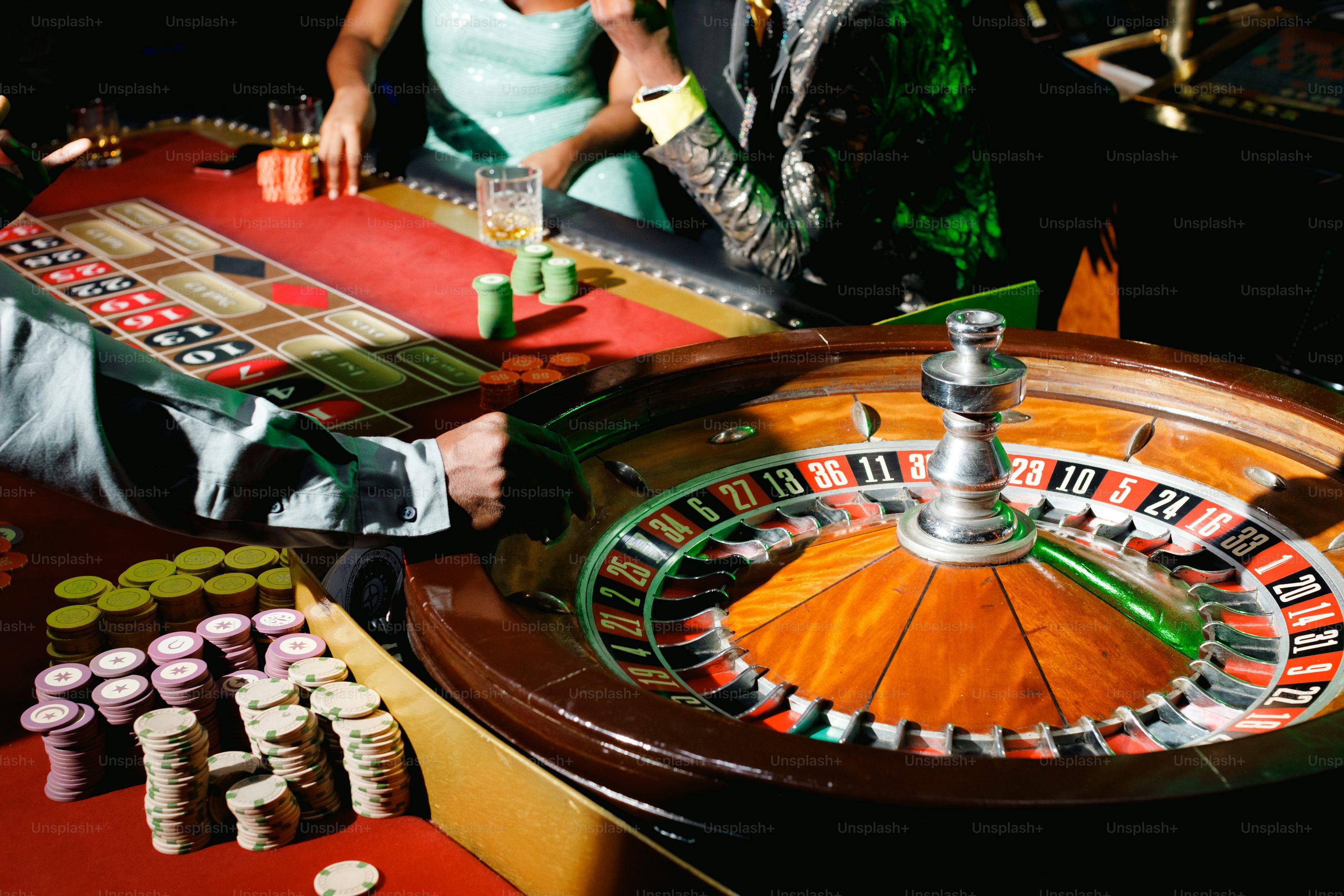
At our platform, we recognize the intersection of casino culture and the excitement of combat sports. Just as casinos serve as venues for social engagement and entertainment, combat sports events often attract large audiences looking for a thrilling experience. The atmosphere of high-stakes gambling mirrors the intensity of a live fight, where fans place bets not only on their favorite fighters but also on the outcomes of the matches, enhancing the overall entertainment value.
Through our coverage of UFC news, boxing updates, and related topics, we aim to provide fans with a comprehensive understanding of both the sports and the environments that surround them. Whether it’s discussing the implications of betting odds or exploring the cultural significance of events held in casino venues, our platform serves as a bridge between the worlds of combat sports and casino culture.
Ultimately, as we delve into these cultural phenomena, we hope to shed light on how casinos contribute to the broader narrative of modern entertainment, offering a unique lens through which to view both gambling and combat sports. By engaging with this topic, we aim to enrich the conversation surrounding the cultural significance of casinos in today’s society.